- Home
- Neurological Treatment
- Epilepsy (Fits / Seizures)
Epilepsy (Fits / Seizures)
Epilepsy is a condition of the brain in which a person has repeated seizures, commonly called fits. A seizure is caused by a sudden burst of abnormal electrical activity in the brain. With correct diagnosis and regular treatment, most people with epilepsy can lead normal, active lives.
Symptoms
- Sudden jerking or shaking of the arms and legs, often with stiffening of the body
- Loss of consciousness or falling down without warning
- Brief staring spells or episodes of blankness, especially in children
- Frothing at the mouth, tongue biting or passing urine during an episode
- Unusual feelings just before an attack, such as a strange smell, taste or sudden fear
- Confusion, sleepiness, headache or body ache after the seizure
Causes
In many people no single cause is found. Known causes include:
- Head injury, including injuries from many years ago
- Brain infections such as meningitis, encephalitis or neurocysticercosis (tapeworm cysts in the brain, which are common in India)
- Stroke or bleeding in the brain
- Brain tumours and abnormal blood vessels in the brain
- Birth injury or problems in the development of the brain
- Scarring in a part of the brain, such as hippocampal sclerosis
- Genetic factors
Diagnosis
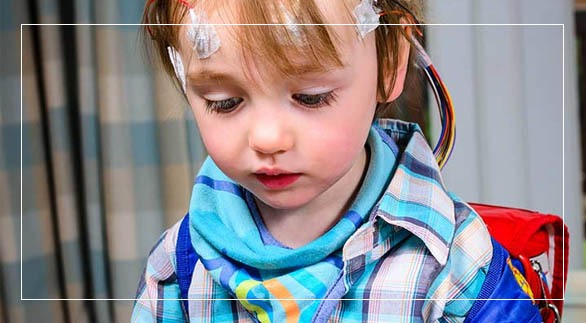
A careful history from the patient and from someone who has seen the episode is the most important step. A video of the episode recorded on a mobile phone can be very helpful. Tests usually include an EEG, which records the electrical activity of the brain, and an MRI scan of the brain to look for a structural cause. Patients being considered for surgery need further tests, such as video-EEG monitoring, to find where the seizures start.
Treatment
Most people with epilepsy are treated with anti-seizure medicines, and in many patients these control the fits well. Medicines must be taken regularly as advised and should never be stopped suddenly without medical advice. Enough sleep, avoiding alcohol and taking medicines on time all help reduce attacks. If a scan shows a cause such as a tumour, cyst, abscess or abnormal blood vessel, treatment of that cause is planned accordingly.
Epilepsy surgery: when seizures continue despite trying two or more suitable medicines properly (called drug-resistant epilepsy), surgery may be an option. If the seizures arise from one clearly identified area of the brain that can be safely removed or disconnected, surgery can reduce or stop seizures in suitable patients. Not every patient is a candidate, and the decision is made only after detailed evaluation and discussion with the patient and family.
When to Seek Urgent Care
- A seizure lasting more than five minutes, or repeated fits without waking up in between
- A first-ever seizure
- A seizure after a head injury
- Difficulty breathing, or the person not waking up after the fit
- A seizure with high fever, severe headache or a stiff neck
- A seizure during pregnancy or in a person with diabetes
- A serious injury during the seizure
In these situations, go to the nearest emergency immediately. During a fit, turn the person on to their side, move sharp objects away and do not put anything in the mouth.
If you or a family member has fits, or seizures are not controlled with medicines, consult Dr. Prashant Sharma for a careful evaluation and treatment plan.
Related Conditions
Consult Dr. Prashant Sharma
M.Ch. Neurosurgery (AIIMS, New Delhi)
OPD: Keshav Super Speciality Hospital, Meerut – 2:00 to 4:00 PM