- Home
- Neurological Treatment
- Brain Haemorrhage
Brain Haemorrhage
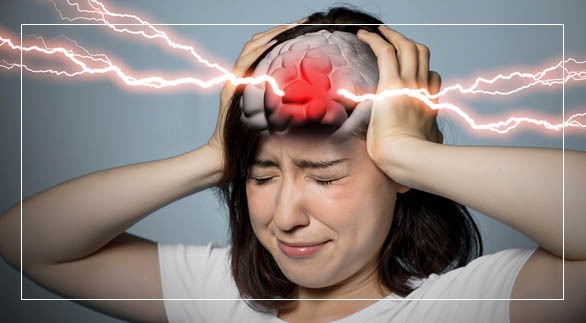
A brain haemorrhage is bleeding inside the skull, either within the brain tissue or in the spaces around the brain. The collected blood can press on the brain, damage it and cause swelling. It is a medical emergency that needs urgent treatment in hospital.
Symptoms
- Sudden, very severe headache, often described as the worst headache ever
- Vomiting
- Sudden weakness or numbness of the face, arm or leg, usually on one side
- Difficulty in speaking or understanding
- Loss of balance or difficulty in walking
- Blurred vision or loss of vision
- Confusion, drowsiness or unconsciousness
- Fits (seizures)
- Stiff neck
Causes
- High blood pressure that is not well controlled over many years, the most common cause in adults
- Head injury
- A ballooning of a weak blood vessel (aneurysm) that bursts
- An abnormal tangle of blood vessels (AVM)
- Blood-thinning medicines or bleeding disorders
- Fragile blood vessels in elderly people
- Bleeding into a brain tumour
Diagnosis
An urgent CT scan of the brain shows whether there is bleeding, where it is and how large it is. To find the cause, the doctor may advise a CT angiography, MRI or a special angiography test (DSA) that shows the blood vessels in detail. Blood tests check sugar, kidney function and how well the blood clots.
Treatment
Treatment depends on the size and location of the bleed, the patient's level of consciousness, age and general health. Not every brain haemorrhage needs an operation. Many small bleeds are treated with medicines and close monitoring, often in the ICU. This includes careful control of blood pressure, reversing the effect of blood-thinning medicines where needed, anti-seizure medicines and measures to reduce pressure inside the skull.
Surgery may be advised when a large clot is pressing on the brain, when the patient is getting worse, when there is bleeding in the back part of the brain (cerebellum), or when blood blocks the normal flow of brain fluid (hydrocephalus).
A common operation is a craniotomy, in which a part of the skull is opened under the microscope to remove the clot and relieve pressure. In selected patients, the clot may be removed through a small opening using endoscopic or minimally invasive techniques. A thin tube (drain) may be placed to drain excess brain fluid. If an aneurysm or AVM is found, it may be treated by surgical clipping or removal, or by a procedure from inside the blood vessels, depending on what is safest for the patient.
After the acute phase, physiotherapy, speech therapy and good blood pressure control help recovery and reduce the chance of another bleed.
When to Seek Urgent Care
- Sudden severe headache, especially with vomiting
- Sudden weakness, numbness or drooping of the face, arm or leg
- Sudden difficulty in speaking or understanding
- Sudden loss of vision or balance
- Fits (seizures)
- Drowsiness, confusion or unconsciousness
These are emergency signs. Go to the nearest emergency immediately, as early treatment can save life and brain function.
If you or a family member has been diagnosed with bleeding in the brain, you can consult Dr. Prashant Sharma at Keshav Super Speciality Hospital, Meerut, to understand the scans and the treatment options.
Related Conditions
Consult Dr. Prashant Sharma
M.Ch. Neurosurgery (AIIMS, New Delhi)
OPD: Keshav Super Speciality Hospital, Meerut – 2:00 to 4:00 PM